
Rigid Body Dynamics in ACL Reconstruction
Seamlessly integrate component-based design with WordPress.
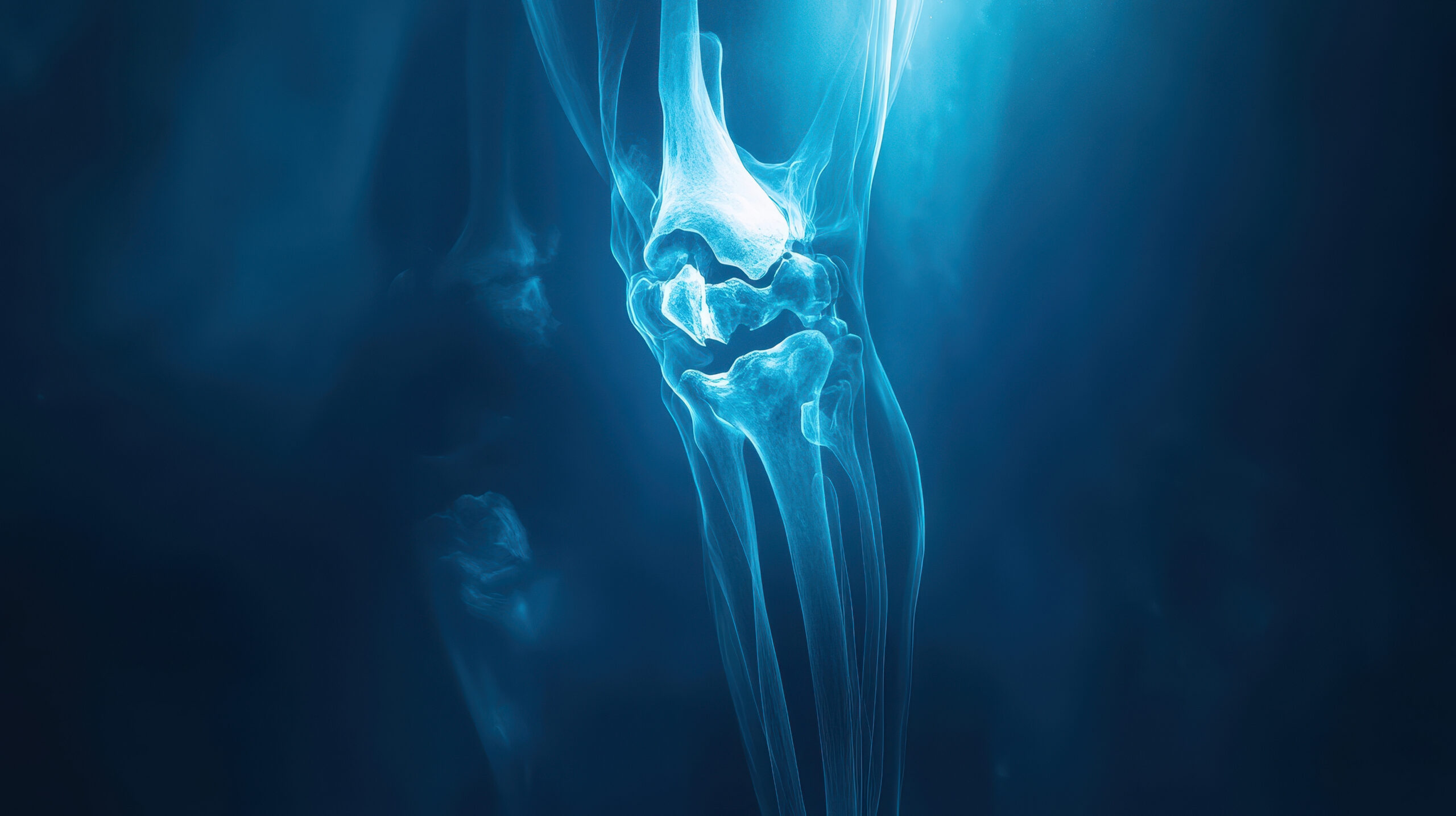
Advances in Rigid Body Biomechanics for ACL Reconstruction: Optimizing Graft Placement
The Anterior Cruciate Ligament (ACL) remains one of the most studied structures in the human musculoskeletal system, yet high failure rates in reconstruction suggest that our understanding of rigid body kinematics is still evolving.
Rigid body biomechanics, a cornerstone of the BAB’s research pillars, treats the femur and tibia as non-deformable segments connected by a series of constraints. By applying Newton-Euler equations to the knee joint during high-impact activities like pivoting or landing, researchers can predict the tension placed on a reconstructed graft. Current research in Belgium focuses on the ‘isometry’ of graft placement—ensuring that the distance between femoral and tibial attachment points remains constant throughout the range of motion.
Precision in femoral tunnel placement is the single most significant factor in restoring native knee kinematics and preventing early-onset osteoarthritis.
Methodological Frameworks in Belgian Research
Using 3D motion capture and multi-body simulation software, our network has developed models that simulate the ‘pivot-shift’ phenomenon. These models help clinicians understand how even a 2mm deviation in tunnel positioning can lead to abnormal internal rotation of the tibia. Key findings include:
- Anatomic vs. Non-Anatomic Placement: Anatomic placement significantly reduces the risk of graft impingement against the intercondylar notch.
- Rotational Stability: Rigid body models show that double-bundle reconstructions provide superior rotational control compared to traditional single-bundle techniques.
- Patient-Specific Geometry: Integrating MRI data into rigid body simulations allows for pre-operative planning that accounts for the unique bone morphology of each athlete.
The Clinical Imperative
The goal of these scientific endeavors is to reduce the ‘second-injury’ rate. When a graft is placed non-anatomically, the rigid body mechanics of the knee are altered, leading to localized pressure peaks on the articular cartilage. Over time, this mechanical mismatch triggers cellular responses that lead to joint degeneration. Through the Belgian Alliance for Biomechanics, we are bridging the gap between computational modeling and the operating theater, ensuring that surgeons have access to real-time biomechanical feedback.
Conclusion and Future Horizons
As we move toward 2025, the integration of wearable inertial sensors with rigid body models will allow for continuous monitoring of ACL-reconstructed patients in real-world environments. This synergy of technology and mechanics represents the future of orthopedic excellence in Belgium.